Carpenter in Spokane, WA: Wood Rot, Structure & Finish Work
Spokane Carpentry is a local residential carpentry shop serving homeowners in Spokane, Spokane Valley, Liberty Lake, Cheney, and Airway Heights. We specialize in the full range of carpentry work that keeps older homes and newer construction sound and beautiful: wood rot and dry rot repair, structural carpentry from floor joists to beams, and finish work from trim and crown molding to custom built-ins and doors. The same carpenters who assess your project do the work, and we know the Spokane building stock inside out, from the Tudor Revival and Craftsman mansions on the South Hill and Browne's Addition to the working-class bungalows in West Central, Logan, and Emerson-Garfield, and the newer subdivisions across the Valley.
Spokane's inland climate, with its hot dry summers, cold snowy winters, and real freeze-thaw cycles, shapes how wood fails here and how we repair it. A century of settling is normal in this stock, and the moisture and temperature swings that come with our semi-arid location create conditions that rot, carpenter ants, and structural movement all exploit over time. When you need an honest assessment and repair, call (509) 844-9336 or request a free wood rot inspection.
Why Wood Fails in Spokane, and How We Read It
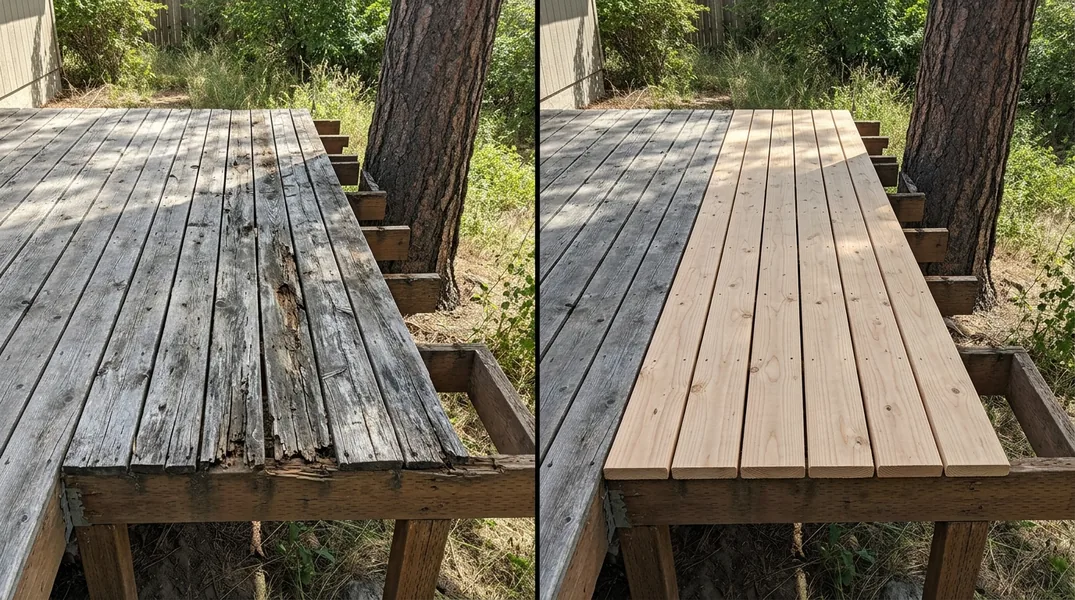
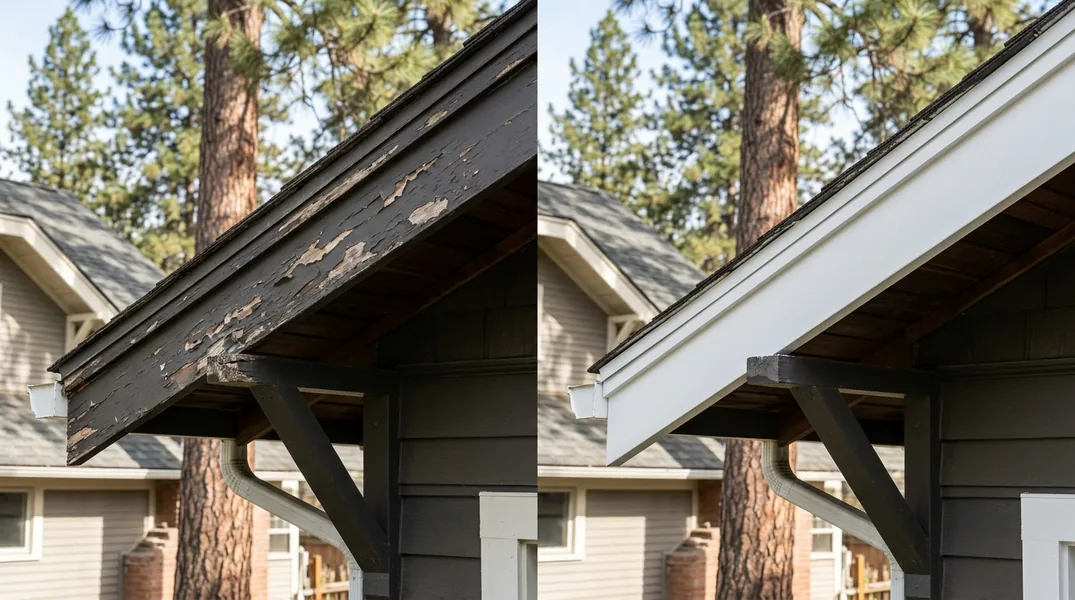
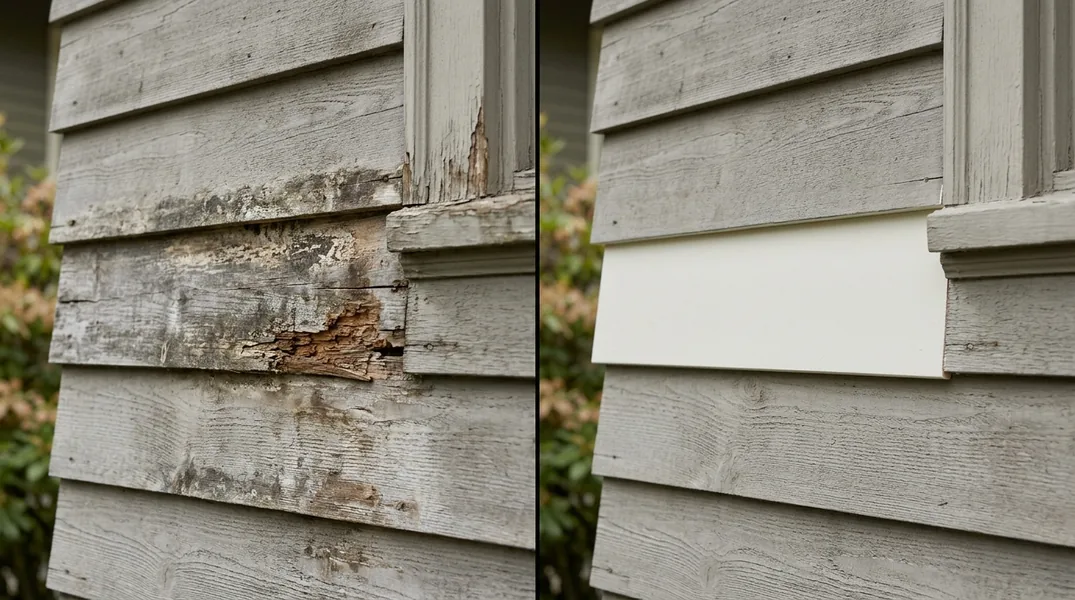
Wood fails in Spokane for three main reasons, and understanding each one helps you know what to look for. Dry rot is a fungus that grows in wood that stays damp but not waterlogged, exactly the condition you get when water sits in a sill, fascia, or deck ledger and cannot dry out quickly in our semi-arid climate. Wet rot settles into window sills, door thresholds, and the edges of decks where water collects and has nowhere to go. Carpenter ants, the Inland Northwest's actual wood-damaging pest, tunnel through softened wood near rooflines and around decks, hollowing out a member from the inside while the painted surface still looks sound. All three follow the same rule: they need sustained moisture to do their work. Close the water path, and the damage stops advancing.
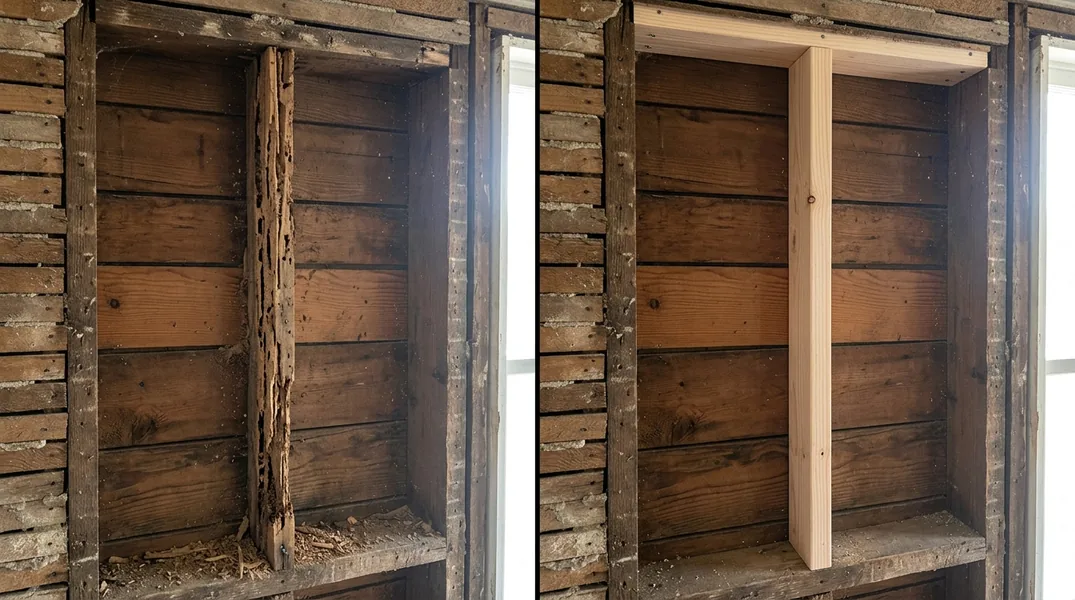
Reading wood rot honestly means probing past the visible surface to find where sound wood begins, checking what is happening in the framing behind the paint film, and tracing the water source that fed the decay. A member with cosmetic surface rot on a sound core can be cut out and rebuilt with fresh wood. A member that has lost significant section gets replaced. And here is the plain truth: filler over rot is not a repair. If the water source is not closed, the new decay starts again within a few seasons. We work from your own pest inspection report when carpenter ants are involved, and we repair and replace the damaged wood. We do not treat, fumigate, or perform pest control, which is a separate regulated trade. To have your wood assessed and get a clear picture of what needs to happen, call (509) 844-9336 or request a free wood rot inspection.
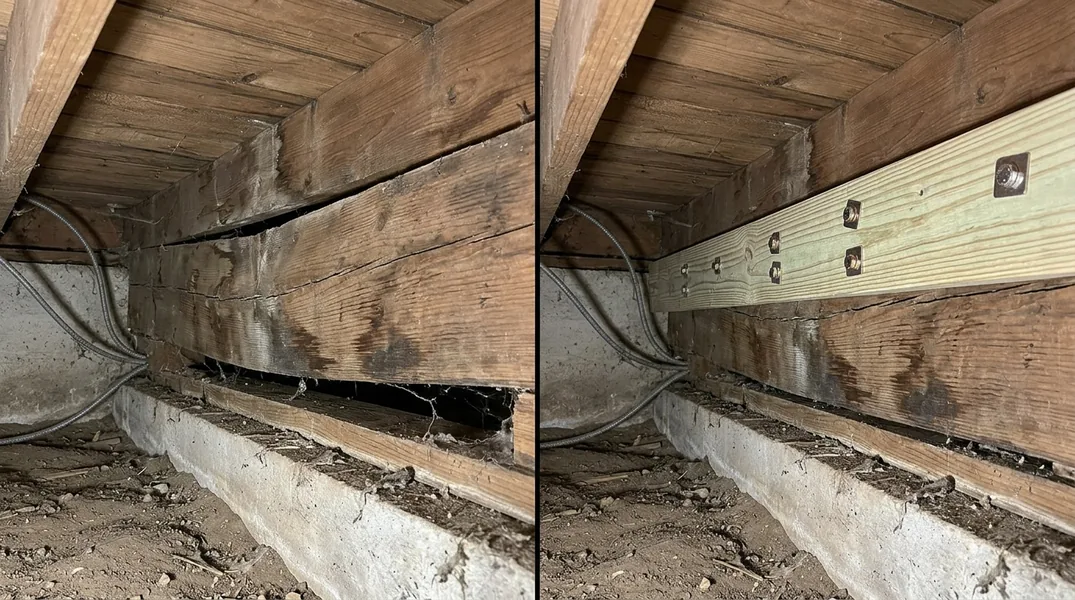
The cost difference between repair and replacement is real, and we quote both when both are honest options. A floor joist that can be sistered costs less than a full replacement, but only if the sound wood is there to sister to. A sill plate that has rotted through its full thickness has to be replaced. The decision comes down to how much section is left, whether you can close the water source, and what the two options cost. We will walk you through both.
Structural Carpentry in Spokane: Joists, Beams and Settling
Structural carpentry in Spokane means understanding that a century-old house has settled, and that is normal. Sloping floors and doors that stick are usually the result of slow, completed settlement rather than active failure. What matters is whether something is still moving and how the structural members are doing where they carry load. A floor joist that has softened can often be sistered, running a new member alongside the old one and tying them together so they share the load. A subfloor section that has rotted gets replaced. A sill plate or rim joist that has lost its bearing capacity gets replaced. The goal is always to restore the structural path without unnecessary demolition.
When a load-bearing wall needs to be removed or altered, or when a beam needs to be replaced or sized, the work commonly requires drawings from a licensed structural engineer and a permit from the local building department. We build to those drawings and work within the permitting process, but we do not produce engineering calculations or load analysis. Beam replacement and load-bearing wall removal are within our scope, and we approach them with the structural discipline they demand. The engineer's drawings and the permit protect you and ensure the work is done right.
Finish Carpentry and Built-Ins in Spokane Homes
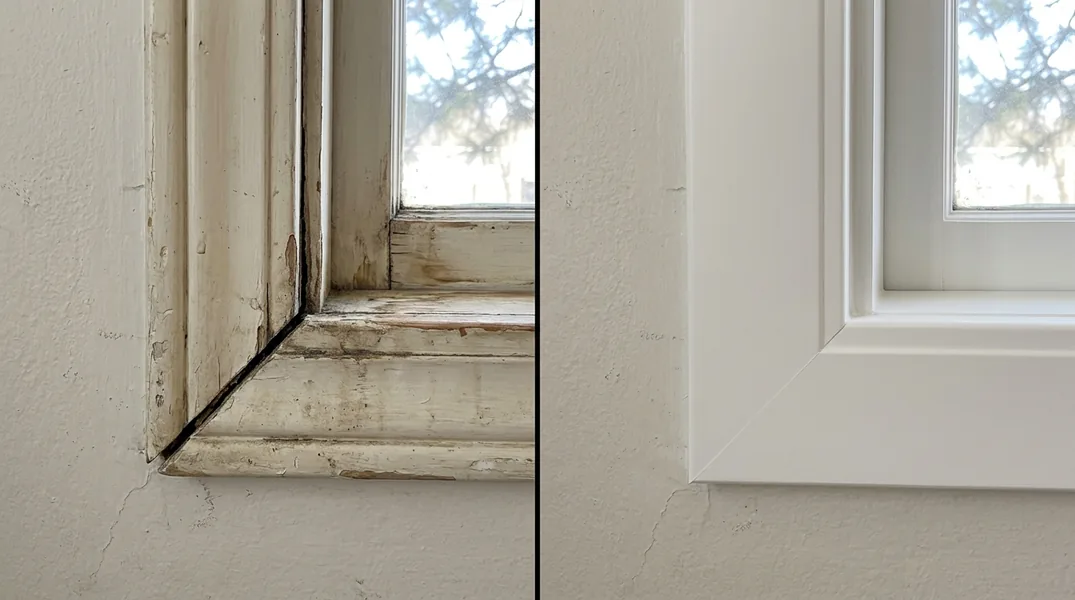
Finish carpentry in Spokane means working with the bones of homes that were built with real millwork and designed for craft. The Craftsman and Tudor homes on the South Hill have original casing, baseboard, and crown molding that set the standard for the house. The bungalows in West Central have compact floor plans with bay windows and built-in shelving. The newer homes across Spokane Valley have their own character and their own out-of-square walls and openings. Our approach to finish and trim carpentry is to match what is there, or to do the work right if the original is gone. That means coped joints instead of caulked corners, scribing to walls that are neither flat nor plumb, consistent reveals, and profiles that belong in the house.
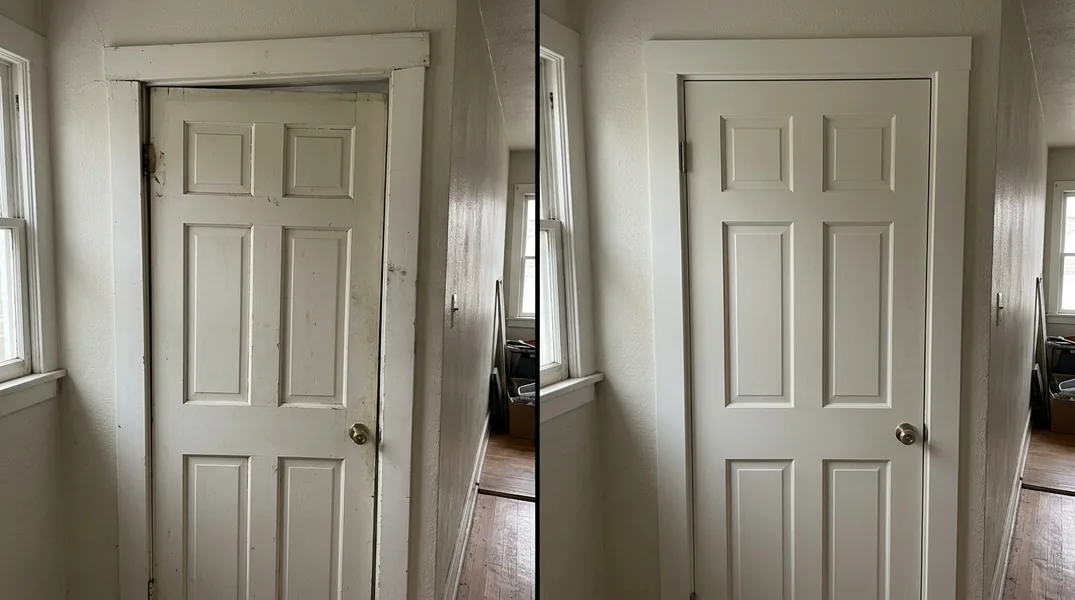
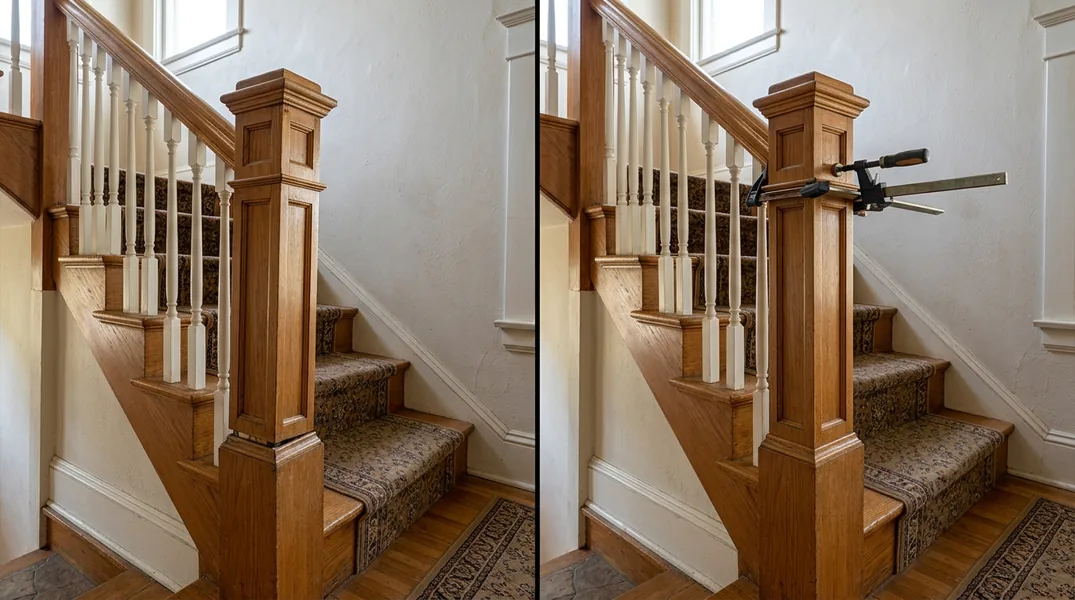
We install crown molding and baseboard, hang interior doors, build custom built-ins and shelving, install cabinets and vanities, and repair stairs and railings. The work is visible, and it stays visible. That is why it matters to get it right.
Permits, Repair-or-Replace & What We Do Not Do
Permits are required for certain carpentry work, and requirements vary by jurisdiction. A permit is commonly required for structural work such as removing or altering a load-bearing wall, replacing beams or joists, and installing or altering stairs or exterior decks, but thresholds and rules differ. Before starting your project, always verify with the Spokane building department what applies to your specific work. We are fully insured and we work with the permitting process, pulling permits where required and building to code and to any engineer's drawings that the work demands.
The decision between repair and replacement comes down to three things: how much sound wood is left in the member, whether you can close the water source that caused the damage, and what each option costs. When both repair and replacement are real options, we quote both and explain the trade-offs. If your situation involves a potential insurance claim, we can help you document the damage for that purpose, but we cannot promise coverage or speak to what your policy will pay. Requirements vary, and some work may require a licensed structural engineer's involvement, which we do not provide. Always verify with the Spokane building department before starting your project.