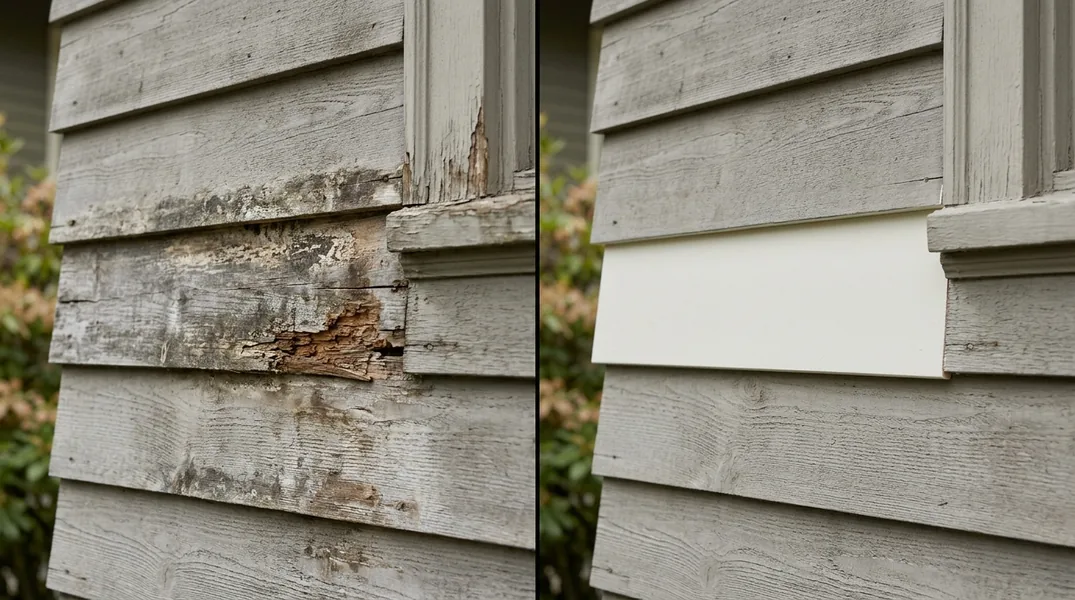
Understanding Dry Rot vs Carpenter Ant Damage
When you spot damage in your home's wooden structures, the first question is often: what caused it? Two of the most common culprits in Spokane homes are dry rot and carpenter ant infestations. While both can compromise the structural integrity of your home, they require very different treatment approaches. Understanding the difference between dry rot vs carpenter ant damage is essential for getting the right repair solution quickly.
Dry rot is a fungal decay that occurs when wood loses its moisture content and begins to break down from the inside out. Carpenter ants, by contrast, are living insects that tunnel through wood to create galleries for nesting. Though both leave wood weakened and damaged, the underlying causes and repair strategies are entirely different. Misidentifying the problem could mean wasting time and money on ineffective treatments while the real issue continues to worsen.
What Does Dry Rot Look Like: Visual Signs and Symptoms
One of the most important questions homeowners ask is: what does wood rot look like? Dry rot typically appears as wood that is darkened, shrunken, and cracked in a cube-like or cross-hatched pattern. The affected wood becomes brittle and may crumble easily when you press on it with a screwdriver or other tool. You might also notice a musty, earthy smell in areas where dry rot is present, which is caused by the fungal spores actively breaking down the wood fibers.
In its early stages, dry rot may appear as discolored patches or a fine, cotton-like fungal growth on the wood surface. As it progresses, the wood loses its structural strength and may feel spongy or soft. Dry rot often develops in areas with poor ventilation, high moisture, or inadequate drainage, such as crawl spaces, basement walls, or around window frames. If you notice any of these signs in your Spokane home, it's crucial to have a professional evaluate the extent of the damage before it spreads to other areas.
Carpenter Ant Damage Signs: What to Look For
Carpenter ant damage signs are distinctly different from dry rot. Unlike dry rot, which leaves wood crumbling and darkened, carpenter ants create clean, smooth tunnels and galleries within the wood. If you observe sawdust-like frass (insect droppings) near wooden structures, small round exit holes, or hollow-sounding wood, you likely have a carpenter ant problem rather than fungal decay. The wood itself may appear structurally intact on the surface while being hollowed out from within.
Another telltale sign of carpenter ant damage is finding the ants themselves, particularly large black or reddish carpenter ants, especially during spring and summer months. You might hear rustling or faint crackling sounds coming from inside walls or wooden beams, which indicates active tunneling. Unlike termites, carpenter ants do not eat wood; they simply excavate it to create nesting galleries. This means the damage pattern tends to follow wood grain and structural lines, creating a network of interconnected tunnels rather than the random breakdown pattern you see with dry rot.
Wood Rot Causes: Why Your Home Is at Risk
Understanding wood rot causes is essential for preventing future damage to your home. The primary cause of dry rot is prolonged exposure to moisture combined with poor air circulation. When wood remains damp for extended periods, fungal spores germinate and begin decomposing the wood's cellulose and lignin. This is why dry rot commonly appears in basements, crawl spaces, bathrooms, and around areas where water intrusion occurs, such as leaking roofs or damaged gutters.
Other contributing factors to dry rot development include inadequate drainage around your foundation, damaged or missing caulking around windows and doors, and poor ventilation in enclosed spaces. In the Spokane region, the combination of seasonal moisture and temperature fluctuations creates an ideal environment for fungal growth if your home's moisture barriers are compromised. Additionally, wood that has been previously damaged by water or has existing cracks provides an entry point for fungal spores. The key to prevention is maintaining proper drainage, ventilation, and promptly addressing any water intrusion issues before they escalate into serious structural problems.
Wood Rot & Dry Rot Repair Near Me: When to Call a Professional
If you suspect either dry rot or carpenter ant damage in your home, it's time to call a professional. While small surface-level issues might seem manageable, both conditions can spread rapidly and compromise the structural safety of your home if left untreated. A qualified carpenter or structural inspector can accurately diagnose the problem, assess the extent of damage, and recommend the appropriate repair strategy. This is especially important if the damage affects load-bearing structures like beams, joists, or wall framing.
For homeowners in Spokane dealing with significant wood damage, professional Wood Rot & Dry Rot Repair services may include wood replacement, structural reinforcement, or moisture mitigation to prevent recurrence. In some cases, especially with extensive rot affecting Floor Joist & Subfloor Repair or load-bearing elements, you might need Beam Replacement & Load-Bearing Wall Removal services. The cost and complexity of repairs depend on how early the problem is caught, which is why prompt professional assessment is so valuable.
How to Prevent Future Damage: Maintenance Tips for Spokane Homeowners
Prevention is always more cost-effective than repair. To protect your home from dry rot and carpenter ant damage, maintain consistent moisture control throughout your property. Ensure your gutters and downspouts direct water at least 5 to 10 feet away from your foundation, and check them regularly for debris and proper drainage. Inspect your roof for missing or damaged shingles, and address any leaks immediately. Proper ventilation in crawl spaces, attics, and basements is equally important, as stagnant, humid air creates the perfect environment for fungal growth.
Additionally, seal any cracks or gaps in your exterior walls, foundation, and around windows and doors. Keep wood surfaces painted or sealed to create a moisture barrier, and avoid storing firewood or mulch directly against your home's exterior. If you notice any signs of moisture problems, water damage, or pest activity, address them promptly before they develop into serious structural issues. For homeowners in Spokane who want professional guidance on protecting their homes, Spokane Carpentry can provide expert recommendations during an initial assessment. Contact us at (509) 844-9336 to schedule a free estimate and learn more about safeguarding your property.
Looking for a professional carpentry contractor in Spokane? Spokane Carpentry responds fast for all your carpentry needs.
Get a Free QuoteOur services: Wood Rot & Dry Rot Repair · Termite Damage Repair · Floor Joist & Subfloor Repair