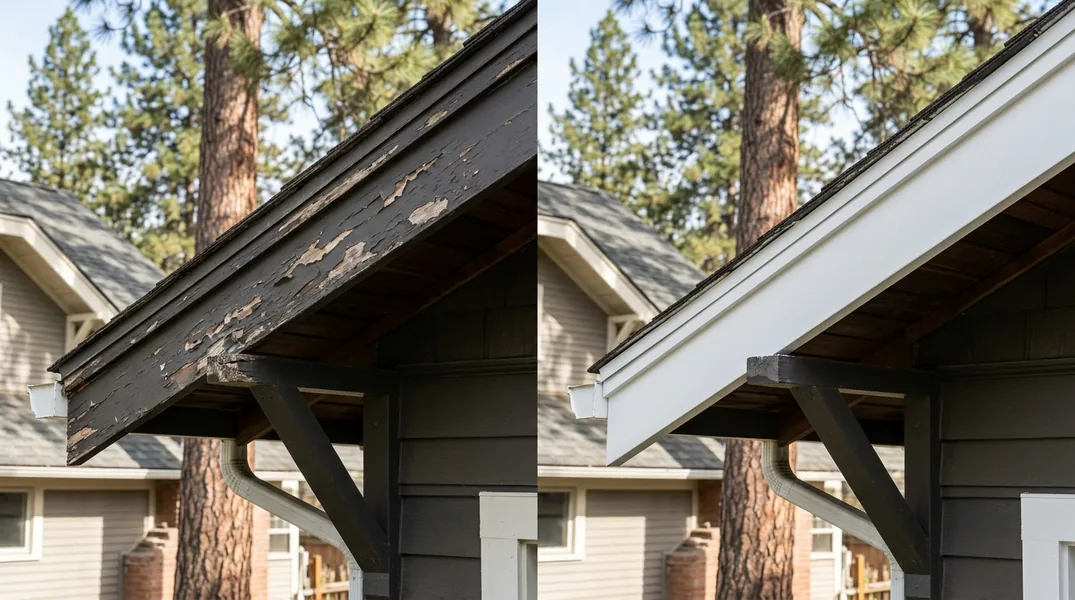
Why South Hill and Browne's Addition Homes Demand Different Maintenance
If you own a Craftsman bungalow in South Hill or a Victorian in Browne's Addition, you're steward of some of Spokane's most architecturally significant neighborhoods. These homes, built primarily between 1900 and 1930, were constructed with materials and methods that differ significantly from modern building standards. The original wood siding, structural framing, and ornamental details that make these homes beautiful are also more vulnerable to the elements and time's passage than contemporary homes.
The Spokane climate presents particular challenges for historic wood structures. Our cold, dry winters followed by spring moisture and occasional summer humidity create ideal conditions for wood damage if proper maintenance is neglected. Craftsman homes typically feature exposed wood beams, brackets, and trim that are both decorative and structural, while Victorians showcase intricate wood detailing on facades, porches, and interior finishes. Understanding these architectural differences is the first step toward protecting your investment.
Understanding Wood Damage in Historic Homes: Rot, Dry Rot, and Beyond
Wood Rot & Dry Rot Repair is one of the most common issues affecting older homes in our region. Many homeowners confuse the two, but they're distinct problems requiring different solutions. Wet rot develops when wood is exposed to prolonged moisture and poor ventilation, causing the wood fibers to break down and soften. Dry rot, despite its name, also requires moisture to develop but progresses more aggressively and can spread through wood that appears dry to the touch. Both conditions thrive in the damp basement spaces, poorly ventilated crawlspaces, and around the foundation areas common in homes built during the Craftsman and Victorian eras.
The danger of ignoring early signs of wood damage extends beyond cosmetic concerns. Structural wood elements like floor joists, rim boards, and load-bearing walls can become compromised, creating safety hazards and expensive repair bills down the line. Historic homes often have wood siding directly attached to structural framing with minimal protective barriers, making Wood Rot & Dry Rot Repair a critical maintenance priority. Early detection through regular inspections can catch problems when they're still manageable and affordable to address.
Wood Siding Repair and Maintenance: Protecting Your Home's First Line of Defense
The wood siding on Craftsman bungalows and Victorian homes serves as your home's primary defense against weather. Whether your home features original lap siding, shingle work, or decorative wood trim, this exterior cladding needs consistent attention. Paint failure is often the first visible sign of trouble, appearing as peeling, blistering, or chalking. When paint fails, moisture penetrates the wood beneath, initiating the decay process. Many historic homeowners delay wood siding repair because they view it as purely cosmetic, but this approach can lead to costly structural damage within a few years.
Proper maintenance of wood siding involves a multi-step approach. Start with regular inspections, ideally twice yearly, to identify paint failure, soft spots, or areas where water is pooling. Address gutter and downspout issues immediately, as water cascading directly onto siding accelerates decay. When repainting, use high-quality exterior paint formulated for wood and ensure proper surface preparation, including scraping loose paint and filling gaps with appropriate caulk. If you discover soft wood, discoloration, or areas where a screwdriver easily penetrates the surface, these are signs that professional wood siding repair is needed. Catching these issues early prevents them from spreading to structural elements beneath the siding.
Structural Repairs: When Damage Extends Beyond the Surface
Historic homes sometimes require repairs that go deeper than cosmetic fixes. If rot has compromised floor joists or other load-bearing elements, Floor Joist & Subfloor Repair becomes necessary to maintain structural integrity and safety. Similarly, if you're planning a renovation that involves removing or altering walls, Beam Replacement & Load-Bearing Wall Removal requires professional engineering and careful execution to ensure the home remains sound. These are not do-it-yourself projects, even for experienced homeowners.
The good news is that structural damage from wood rot is repairable when addressed promptly. Professional carpenters can remove damaged sections, install appropriate reinforcement or replacement members, and restore the structural capacity of affected areas. The key is not to delay. A small area of rot in a joist discovered during a basement inspection can be repaired relatively affordably, but if left untouched for several years, it may require replacing an entire joist or even multiple joists, significantly increasing costs and disruption to your home.
Historic Home Maintenance in Spokane: A Year-Round Checklist
Protecting your Craftsman or Victorian home requires a proactive maintenance schedule adapted to our regional climate. Fall is the ideal time to inspect and clean gutters, ensuring water drains properly away from the foundation and siding. Check for any gaps or cracks in siding, caulking, and trim that could allow water intrusion over the winter months. Examine basement and crawlspace areas for signs of moisture, mold, or existing damage. Winter weather in Spokane can be harsh, so ensure that downspouts and drainage systems are clear and functioning before the first freeze.
Spring brings warming temperatures and increased moisture, making it an excellent time for a thorough exterior inspection. Look for new cracks, areas where paint is failing, or signs of water damage from winter snow melt. Address any issues discovered before the summer season. Summer is the best time for exterior painting or staining projects, as proper drying conditions are essential. Fall inspection should repeat, as leaves and debris can clog gutters and trap moisture against wood surfaces. By establishing this seasonal rhythm, you'll catch problems early and keep your home in excellent condition for years to come.
When to Call a Professional: Getting Your Free Estimate
Knowing when to tackle a project yourself and when to call professionals is crucial for historic homeowners. Simple maintenance tasks like gutter cleaning, caulking gaps, or repainting are manageable for most owners, but anything involving structural assessment, extensive rot repair, or load-bearing wall work requires professional expertise. Attempting these repairs without proper knowledge can compromise your home's safety and create liability issues. If you're uncertain whether a problem is serious, it's worth getting a professional opinion rather than guessing and potentially making things worse.
Spokane Carpentry specializes in repairs specific to historic homes and understands the unique challenges posed by Craftsman and Victorian construction. Whether you've noticed soft spots in siding, sagging floors, or just want a preventive inspection of your home's condition, reaching out for a free estimate is the smart first step. You can call (509) 844-9336 to discuss your concerns with experienced professionals who can assess the situation and recommend the best course of action. Early intervention often saves thousands of dollars in future repairs and helps preserve your home's historic character and structural integrity for generations to come.
Looking for a professional carpentry contractor in Spokane? Spokane Carpentry responds fast for all your carpentry needs.
Get a Free QuoteOur services: Wood Rot & Dry Rot Repair · Termite Damage Repair · Floor Joist & Subfloor Repair